
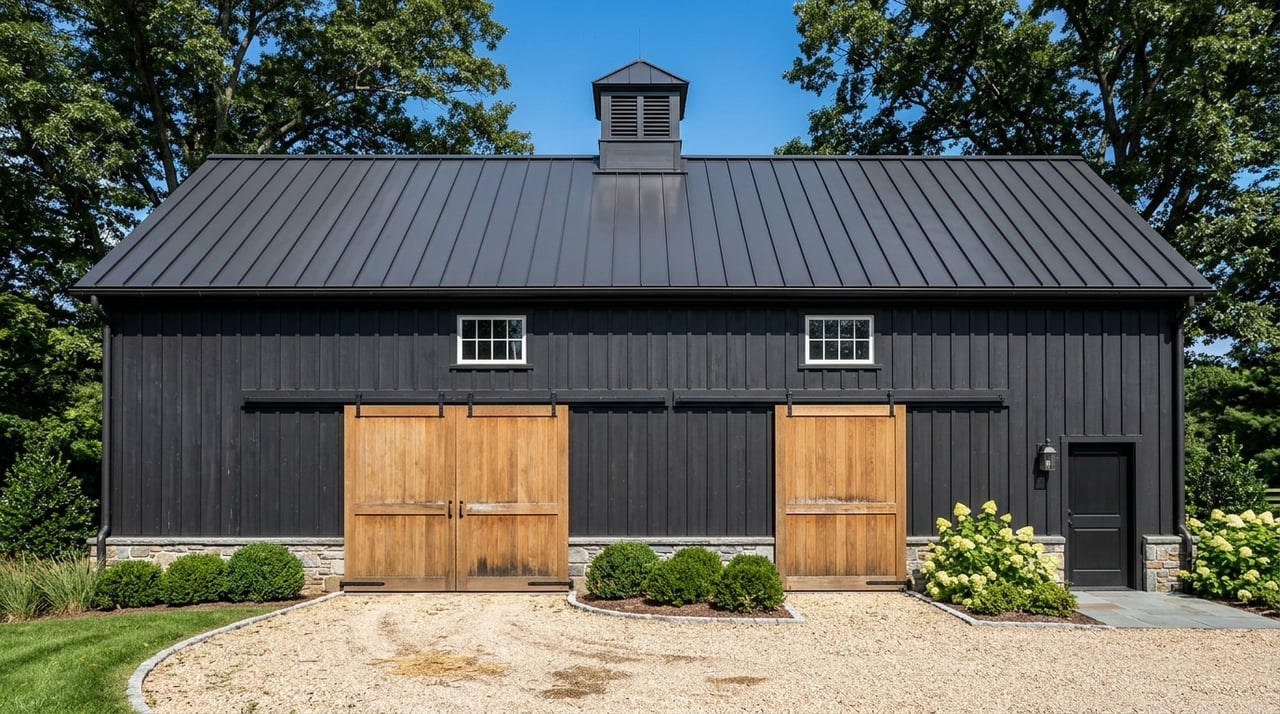
If you own a luxury home in Middleburg, pricing it can feel like aiming at a moving target. This is a small, highly distinctive market where acreage, equestrian features, historic rules, and property rights can shift value in ways that simple online estimates often miss. The good news is that a smart pricing strategy can help you protect your value, attract serious buyers, and avoid costly time on market. Let’s dive in.
Why Middleburg Pricing Is Different
Middleburg is not a high-volume, cookie-cutter housing market. It is a small town of about 670 residents with a strong identity tied to open space, history, and equestrian living. That local character shapes how buyers view homes and how sellers should think about pricing.
The broader Loudoun County market provides useful context, but it does not tell the whole story for Middleburg luxury homes. Loudoun County’s median value of owner-occupied homes is $743,800, while Middleburg market snapshots show a much wider spread. In May 2026, one listing-focused snapshot reported a median list price of $2.3 million, while a sales-focused snapshot showed a median sale price of $843,335 over the prior three months.
That gap does not mean the data is wrong. It means Middleburg is a thin market where active inventory and closed sales can look very different depending on the timeframe and source. In a market like this, your list price has to be built around your specific property, not broad averages.
Start With Sold Comparable Homes
The strongest pricing strategy starts with sold comparable properties. That means recently closed homes that are similar in location, size, condition, amenities, and overall appeal to buyers in the same price band.
This matters because active listings show competition, but closed sales show what buyers actually paid. If you price your home based on the highest listing in town instead of the best comparable sales, you risk chasing a number the market has not proven.
For Middleburg luxury homes, square footage alone is rarely enough. A proper comparison may also need to account for acreage, privacy, views, equestrian improvements, historic character, and the legal rights tied to the land.
Why the Comp Search May Need To Expand
In a larger suburban market, you can often stay close to home and still find several solid comparables. In Middleburg, that is not always possible because sales volume is limited and properties can vary widely from one another.
Recent local data shows just how thin the market can be. One report showed only five homes sold in May 2026, and another reported 34 homes for sale with a median 62 days on market. A separate sales snapshot showed homes taking a median 92 days to sell.
That means a pricing analysis may need to look beyond the immediate town limits or use older sales with careful adjustments for changing market conditions. For luxury and rural properties, this broader approach is often necessary because the market is less uniform and the best matches may not be right around the corner.
Land Can Change the Price Story
In Middleburg, land is not just extra space. It can influence use, carrying costs, future flexibility, and the buyer pool.
Loudoun County’s Land Use Assessment Program allows some property tax deferral for land used for agriculture, horticulture, forestry, or open space. Agricultural and horticultural land generally must be at least 5 acres to qualify. If your property has this status, that can be relevant to buyers evaluating long-term costs.
At the same time, land may come with limits. Loudoun County says more than 85,000 acres are protected by conservation easements, which are voluntary legal agreements that keep land privately owned while limiting certain rights. Depending on the property, an easement may support the preservation appeal of the estate, narrow future use, or do both at once.
Verify Property Rights Before Pricing
Before setting a list price, it is important to confirm exactly what a buyer is getting. This includes parcel details, deed restrictions, conservation easement language, current land-use assessment status, and the county assessment record.
That step matters because two properties with similar homes and acreage can have very different value depending on legal restrictions and permitted use. A buyer looking at a country estate will often care as much about the land rights and practical functionality as the house itself.
When these details are clear up front, your pricing is easier to defend. It also helps reduce surprises during buyer due diligence, negotiations, and appraisal review.
Equestrian Features Can Be Material
In Middleburg, equestrian amenities are not a niche extra. They are part of the local identity and part of how many buyers understand value in this market.
The town’s own branding highlights the equestrian lifestyle, and Middleburg points to local riding facilities and a 14,000-square-foot stable at Salamander Resort. Loudoun County also recognizes horse ownership and equestrian uses in its agriculture and natural resources programs.
If your property includes barns, paddocks, arenas, fencing, or other horse-related improvements, those features should be analyzed carefully. The right buyer may place significant value on well-designed equestrian functionality, but that value still needs to be supported by comparable sales and real buyer demand.
Historic Rules Matter Inside Town Limits
If your home is within Middleburg town limits, historic-review requirements may affect how buyers view the property. The Historic District Review Committee requires approval for many exterior changes visible from a public street, including additions, roofing, siding, fences, signs, and new structures.
For some buyers, that preserved character is part of the appeal and may support premium positioning. For others, the added review process may be seen as a limitation on future changes.
That is why pricing should reflect both sides of the equation. Historic charm can add meaningful appeal, but buyers also weigh the practical realities of ownership.
Online Estimates Have Limits
Many sellers check an online home value estimate before calling an agent. That can be a useful starting point, but it should not be the final word for a Middleburg luxury property.
Automated valuation models tend to be less reliable when the property is unusual, the sales data is thin, or the home includes atypical acreage, mixed use, or high-end custom features. Those are exactly the conditions that often describe luxury homes in and around Middleburg.
If your home has complex land value, custom construction, or special improvements, a one-number estimate may flatten details that matter. In this market, pricing requires judgment, not just an algorithm.
Strategic Pricing Protects Your Leverage
A strong pricing strategy is not about picking the highest possible number. It is about choosing a price that is credible, competitive, and aligned with the property’s true market position.
Pricing too high can lead to extended time on market, fewer serious showings, and pressure to make reductions later. In a luxury market with limited buyers, early momentum matters.
Pricing within a realistic and supportable range can improve your chances of attracting qualified interest and stronger offers. For many sellers, that means aiming for a price that stands up to both buyer scrutiny and likely appraisal review.
What Strategic Pricing Looks Like
For a Middleburg luxury home, strategic pricing usually includes several moving parts working together:
- Recent sold comparables, not just active listings
- Careful adjustments for acreage, condition, and improvements
- Review of equestrian features and functionality
- Verification of easements, land-use status, and parcel rights
- Consideration of historic-review constraints, if applicable
- Awareness of current exposure times and buyer pace in a thin market
This process is especially important when the home is unique. The more custom the property, the more pricing needs to be built on evidence and local judgment.
The Bottom Line for Middleburg Sellers
Middleburg luxury pricing is not a plug-and-play exercise. It sits at the intersection of sold comps, land value, property rights, equestrian appeal, historic considerations, and a market with limited sales volume.
That is why the best list price is rarely based on the county average, a broad zip code estimate, or the highest listing currently on the market. It is based on what your specific property offers and how that offering compares to the best available sales evidence.
If you are preparing to sell, a thoughtful pricing strategy can help you enter the market with more confidence and a stronger position. When you are ready for a data-driven, locally informed pricing approach, connect with the Bill Davis Team.
FAQs
How should you price a luxury home in Middleburg?
- You should price a Middleburg luxury home using recent sold comparables, then adjust for acreage, condition, equestrian features, historic factors, and any limits tied to the land.
Why are Middleburg home values harder to estimate?
- Middleburg home values can be harder to estimate because the market is small, sales are less frequent, and many properties have unique land, design, or use characteristics.
Do conservation easements affect Middleburg home pricing?
- Yes. Conservation easements can affect pricing because they may limit certain property rights or future uses, which can influence buyer demand and overall value.
Do equestrian improvements add value in Middleburg?
- Equestrian improvements can add value when they are well-designed and match buyer demand, but their contribution should still be supported by comparable sales and market evidence.
Do historic district rules matter when selling a home in Middleburg?
- Yes. Historic district rules can matter because many exterior changes visible from the street may require approval, which can shape both buyer expectations and pricing strategy.
