Ever dream of a place where historic Main Street charm meets rolling pastureland and weekend rides? If you are weighing a move to Middleburg, you likely want privacy, scenery, and a slower pace without losing access to services and the D.C. region. This guide walks you through what life looks like day to day, from equestrian routines and wineries to commuting, healthcare, and practical buying tips. Let’s dive in.
What Middleburg feels like
Hunt Country identity
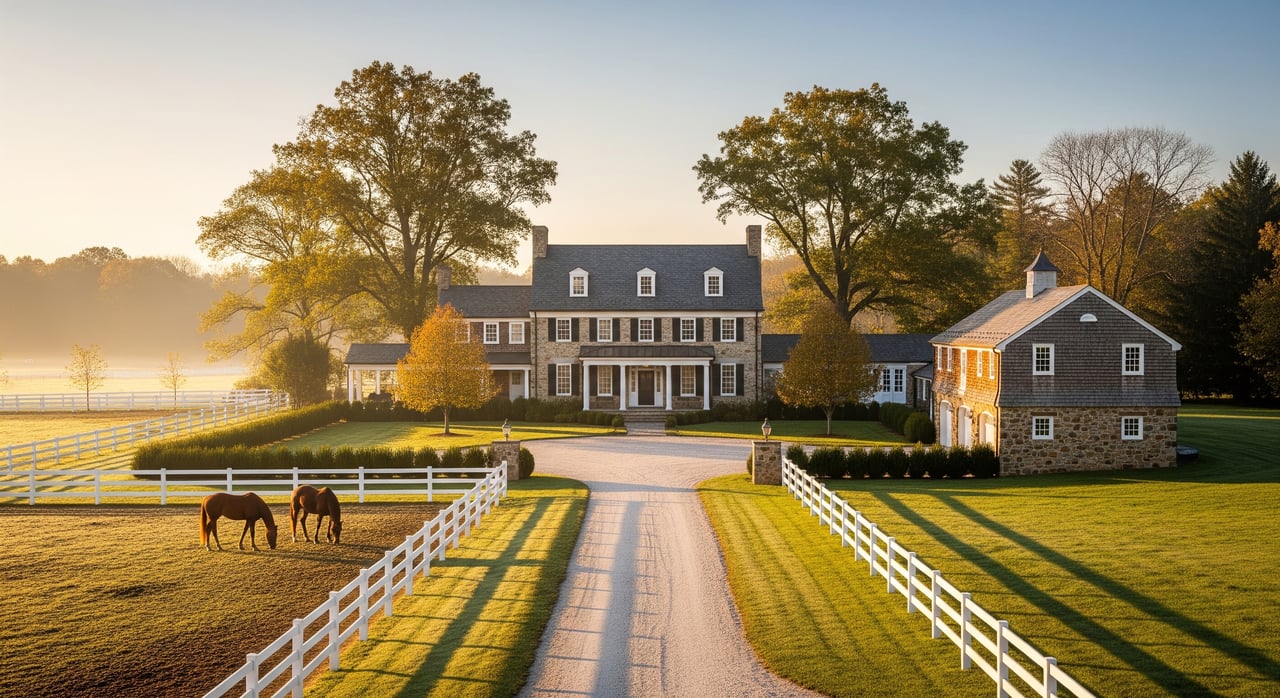
Middleburg sits at the heart of Virginia’s Hunt Country, a region known for working farms, foxhunting traditions, and a deep equestrian culture. You will notice horse trailers, tack shops, and boarding barns as part of everyday life. The village serves as a social and service hub for nearby estates and farms, and weekend visitors keep the calendar lively.
Main Street rhythm
Downtown features historic architecture, independent boutiques, galleries, and restaurants that draw both locals and day trippers. Many businesses cater to the equestrian community and to visitors. Get a sense of town services and events on the Town of Middleburg site.
Who thrives here
If you value open land, equestrian access, wineries, and a relaxed pace, Middleburg fits well. If daily urban amenities and frequent transit are your priority, the location can feel quieter and more spread out. Many residents work remotely or commute a few days a week.
Everyday living and essentials
Shopping and dining
You will find boutique retail, specialty food shops, and a range of restaurants in town. For full supermarkets and big-box options, residents often head to larger nearby towns like Leesburg or Warrenton. Plan errands around weekend visitor traffic during peak seasons.
Healthcare access
Local outpatient clinics and primary care providers are available in and around Middleburg. For emergency or specialty care, many residents use regional hospital systems such as Inova Loudoun Hospital.
Schools and education
Public school assignment depends on your specific address within Loudoun County. Always confirm current attendance zones with Loudoun County Public Schools. The area also hosts respected private options, including Foxcroft School.
Getting around and commuting
Middleburg is car-oriented with direct access to regional roads that connect to Northern Virginia job centers and Washington, D.C. Commutes are workable but often longer than suburbs closer to the Beltway. For routing updates and project info, check the Virginia Department of Transportation.
Recreation and culture
Equestrian life
From fox hunts and point-to-point meets to hunter-jumper shows and trail riding, horses shape the social and seasonal rhythm. Many properties include barns, paddocks, riding rings, and access to bridle paths. Budget for farrier, feed, vet care, and fencing when you plan your move.
Wineries and agritourism
Middleburg sits within a growing wine region where tasting rooms, farm markets, and seasonal events are part of the weekend routine. Explore winery trails and calendars through Visit Loudoun. Expect heavier traffic during harvest and festival seasons.
Parks and trails
You can hike and bird at nearby conservation areas and state parks. A local favorite is Sky Meadows State Park for scenic trails and mountain views. Road cycling and countryside drives are also popular.
Social calendar
Antiques fairs, gallery openings, charity hunts, horse shows, and seasonal festivals give the town a full calendar. Many events blend locals and visitors, creating a friendly, event-driven culture across spring and fall peaks.
Homes and property types
In-town living
You will see historic cottages and village homes on smaller lots within walking distance of Main Street. Renovated historic properties sit alongside longtime residences, each with distinct character and maintenance considerations.
Estates and farms
Just beyond town, you will find larger single-family homes on multi-acre lots, equestrian estates, and hobby farms. Listings often highlight barns, equipment sheds, fenced pastures, and arenas. Acreage, views, and proximity to town all influence pricing.
What drives value
Across Hunt Country, the key value drivers are acreage, equestrian improvements, house quality, historic status, and scenery. Limited supply of authentic historic cottages and well-outfitted horse farms means desirable listings can move quickly when they show and price well.
Practical considerations for Hunt Country living
Land use and easements
Much of the surrounding countryside includes agricultural zoning, conservation easements, or other protections that shape how land can be used. Review regulations through Loudoun County Zoning and learn about preservation programs at Loudoun County Conservation Easements. Historic district properties may involve design review; consult the Virginia Department of Historic Resources for guidance.
Utilities and connectivity
Utility providers vary by address. Broadband access has expanded across Northern Virginia but can be limited on larger rural parcels, so verify internet speeds and providers for any home under serious consideration.
Costs and maintenance
Plan for pasture management, fencing, manure handling, and seasonal upkeep of barns and arenas if you keep horses. Many properties use well and septic systems, which require inspections and routine maintenance. Insurance and liability coverage for rural and equestrian uses are important to evaluate with your insurer.
Taxes, HOAs, and private roads
Property taxes are county-based. Some rural land may be eligible for agricultural programs, and some neighborhoods use HOAs or private road agreements for maintenance. Confirm all fees and agreements during due diligence.
Quick buyer checklist
- Confirm school assignment and nearest emergency services.
- Verify internet and cellular service at the address.
- Inspect wells, septic, barns, fencing, and outbuildings.
- Ask about recorded easements, conservation restrictions, and historic designations.
- Understand seasonal traffic tied to hunts, winery events, and festivals.
Is Middleburg right for you?
If you are drawn to classic Virginia architecture, horses, and a seasonal social calendar, Middleburg offers a distinctive lifestyle. You trade big-box convenience down the street for scenic drives, quiet evenings, and a town where equestrian life is part of the fabric. With planning and the right guidance, the move feels seamless.
Ready to explore properties or map a sale in Hunt Country? Connect with the Bill Davis Team to discuss your goals, tour neighborhoods, and request your Free Home Value Report.
FAQs
Is Middleburg a good place to keep horses?
- Yes, equestrian services and facilities are part of local life, and many properties include barns and pastures; confirm zoning and use rules with Loudoun County Zoning.
What is the commute like from Middleburg?
- Most residents drive to regional routes toward Northern Virginia and D.C.; check current projects and travel updates with the Virginia Department of Transportation.
Where do Middleburg residents get medical care?
- Primary care is available locally and in nearby towns, with emergency and specialty services at regional centers like Inova Loudoun Hospital.
Which schools serve a given Middleburg address?
- Attendance zones change, so verify current assignments with Loudoun County Public Schools before you buy.
Are there historic rules for homes in town?
- Some properties fall within historic districts or have design guidelines; review resources at the Virginia Department of Historic Resources and ask your agent for property-specific details.
Where do residents shop for groceries and basics?
- You will find small markets and specialty shops in town, with larger supermarkets and big-box stores in nearby Leesburg and Warrenton.
